The Department of Cardiology at Peking Union Medical College Hospital (PUMCH) boasts a long and distinguished history, serving as the cradle for the development of cardiovascular medicine in China. In June 1921, PUMCH recorded China’s first electrocardiogram (ECG) using a string galvanometer ECG machine. In 1931, Dr. Chenglang Dong and colleagues at PUMCH established China’s first dedicated cardiology division, comprising a specialized outpatient clinic for heart disease and a clinical cardiac physiology laboratory. Following the War of Resistance Against Japan, the Cardiology Subdivision within the Department of Internal Medicine was re-established at PUMCH in 1948. The outdated string galvanometer ECG machine was upgraded to China’s first 12-lead ECG machine, which was subsequently promoted nationwide—significantly advancing the development of cardiology in China. In 1951, Drs. Wan Huang and Qi Fang pioneered right-heart catheterization in China, enabling diagnosis and assessment of congenital heart disease, rheumatic valvular heart disease, and constrictive pericarditis—laying the foundation for interventional cardiology and hemodynamic monitoring. In 1979, the Cardiology Subdivision was formally established under the General Internal Medicine structure and entered a phase of rapid development. Clinical services expanded to include intravenous thrombolytic therapy for acute myocardial infarction (AMI), radiofrequency catheter ablation and pacing for arrhythmias, echocardiographic diagnosis, coronary angiography and intervention, and cardiovascular clinical pharmacology. In 1993, the Cardiology Subdivision was officially renamed the Department of Cardiology. Entering the 21st century, the Department has flourished across multiple subspecialty areas. Radiofrequency ablation for arrhythmias keeps pace with global advances; the Department possesses mature expertise in managing complex arrhythmias—including atrial fibrillation, non-classic atrial flutter, and scar-related ventricular tachycardia—and implements primary and secondary prevention of sudden cardiac death via implantable cardioverter-defibrillators (ICDs) for high-risk patients. In coronary intervention, the Department actively integrates internationally advanced techniques and procedural concepts into clinical practice. It pioneered China’s first ‘green channel’ for AMI management and established a 24/7 on-call emergency interventional team. Upholding its tradition of thorough etiological investigation for challenging, complex, and critically ill cases in internal medicine and cardiovascular diseases, the Department combines cutting-edge modalities—including cardiac imaging, myocardial pathology, and genetic/molecular diagnostics—to markedly elevate diagnostic and therapeutic capabilities for rare and difficult cardiovascular conditions at PUMCH. Extensive experience has been accumulated in successfully managing critically ill, complex, and rare cardiovascular diseases—forming the distinctive ‘PUMCH approach’. Currently, the Department comprises subspecialty groups focused on hypertension and dyslipidemia, heart failure, atherosclerosis, arrhythmias, pulmonary vascular disease, thrombotic disorders, structural heart disease, cardio-oncology, and cardiac imaging. Each group is staffed by experienced, well-structured expert teams delivering patient-centered care. In recent years, Professor Shuyang Zhang led the establishment of a national rare disease cohort project and registry platform; the cardiovascular rare disease cohort has already taken shape. The Department leads the nation in precision diagnosis and treatment of rare and complex cardiovascular diseases and has cultivated an outstanding cohort of mid-career and young physicians and nurses specializing in cardiovascular rare diseases—facilitating clinical application of novel and orphan drugs for rare disease patients. The Department has long prioritized talent development and cultivation of academic leaders. Past discipline leaders include Professors Wan Huang, Qi Fang, Lan Jin, Ning Wu, Kai You, Baohua Ji, Yuhua Dai, Wenling Zhu, Quan Fang, Shuyang Zhang, Xiaowei Yan, and Ligang Fang. Currently, the Department employs 45 physicians—including 13 professors, 17 associate professors, and 15 attending physicians—as well as 11 technical staff members. It has 6 doctoral supervisors and 10 master’s supervisors, training over 20 graduate students and more than 10 visiting physicians annually. The Department serves as a training base for cardiovascular specialty physicians certified by the Chinese Medical Doctor Association, and as a national training base for coronary intervention and electrophysiology intervention accredited by the National Health Commission Hospital Management Institute. It also operates specialized outpatient clinics for hypertension, coronary artery disease, arrhythmias, heart failure, and pulmonary vascular disease. Annually, the Department admits approximately 4,000 inpatients and sees over 100,000 outpatient visits. Since its founding, faculty members of the Department have held extensive leadership roles across major national medical societies and received numerous national honors—making outstanding contributions to the advancement of the discipline nationwide. Notably, Professor Qi Fang served as Vice President of the Chinese Medical Association and Chairman of its Society of Internal Medicine; Professor Ning Wu served as Chairman of the Cardiovascular Disease Branch and Vice Chairman of the Electrophysiology and Pacing Branch of the Chinese Medical Association. Professor Shuyang Zhang currently serves as Vice Chairman of the Internal Medicine Branch of the Chinese Medical Association, Incoming President of the Cardiology Branch of the Chinese Medical Doctor Association, Director of the National Committee for Rare Disease Diagnosis, Treatment and Assurance, and Standing Committee Member and Secretary-General of the Cardiovascular Disease Branch of the Chinese Medical Association. Today, the entire Department of Cardiology—physicians, nurses, and technical staff—stands united with renewed vigor, marching confidently into a new era and writing a new chapter for PUMCH’s second century.
Department of Cardiology
Peking Union Medical College HospitalThe Department of Cardiology at Peking Union Medical College Hospital (PUMCH) boasts a long and distinguished history, serving as the cradle for the development of cardiovascular medicine in China. In June 1921, PUMCH recorded China’s first electrocardiogram (ECG) using a string galvanometer ECG machine. In 1931, Dr. Chenglang Dong and colleagues at PUMCH established China’s first dedicated cardiology division, comprising a specialized outpatient clinic for heart disease and a clinical cardiac physiology laboratory. Following the War of Resistance Against Japan, the Cardiology Subdivision within the Department of Internal Medicine was re-established at PUMCH in 1948. The outdated string galvanometer ECG machine was upgraded to China’s first 12-lead ECG machine, which was subsequently promoted nationwide—significantly advancing the development of cardiology in China. In 1951, Drs. Wan Huang and Qi Fang pioneered right-heart catheterization in China, enabling diagnosis and assessment of congenital heart disease, rheumatic valvular heart disease, and constrictive pericarditis—laying the foundation for interventional cardiology and hemodynamic monitoring. In 1979, the Cardiology Subdivision was formally established under the General Internal Medicine structure and entered a phase of rapid development. Clinical services expanded to include intravenous thrombolytic therapy for acute myocardial infarction (AMI), radiofrequency catheter ablation and pacing for arrhythmias, echocardiographic diagnosis, coronary angiography and intervention, and cardiovascular clinical pharmacology. In 1993, the Cardiology Subdivision was officially renamed the Department of Cardiology. Entering the 21st century, the Department has flourished across multiple subspecialty areas. Radiofrequency ablation for arrhythmias keeps pace with global advances; the Department possesses mature expertise in managing complex arrhythmias—including atrial fibrillation, non-classic atrial flutter, and scar-related ventricular tachycardia—and implements primary and secondary prevention of sudden cardiac death via implantable cardioverter-defibrillators (ICDs) for high-risk patients. In coronary intervention, the Department actively integrates internationally advanced techniques and procedural concepts into clinical practice. It pioneered China’s first ‘green channel’ for AMI management and established a 24/7 on-call emergency interventional team. Upholding its tradition of thorough etiological investigation for challenging, complex, and critically ill cases in internal medicine and cardiovascular diseases, the Department combines cutting-edge modalities—including cardiac imaging, myocardial pathology, and genetic/molecular diagnostics—to markedly elevate diagnostic and therapeutic capabilities for rare and difficult cardiovascular conditions at PUMCH. Extensive experience has been accumulated in successfully managing critically ill, complex, and rare cardiovascular diseases—forming the distinctive ‘PUMCH approach’. Currently, the Department comprises subspecialty groups focused on hypertension and dyslipidemia, heart failure, atherosclerosis, arrhythmias, pulmonary vascular disease, thrombotic disorders, structural heart disease, cardio-oncology, and cardiac imaging. Each group is staffed by experienced, well-structured expert teams delivering patient-centered care. In recent years, Professor Shuyang Zhang led the establishment of a national rare disease cohort project and registry platform; the cardiovascular rare disease cohort has already taken shape. The Department leads the nation in precision diagnosis and treatment of rare and complex cardiovascular diseases and has cultivated an outstanding cohort of mid-career and young physicians and nurses specializing in cardiovascular rare diseases—facilitating clinical application of novel and orphan drugs for rare disease patients. The Department has long prioritized talent development and cultivation of academic leaders. Past discipline leaders include Professors Wan Huang, Qi Fang, Lan Jin, Ning Wu, Kai You, Baohua Ji, Yuhua Dai, Wenling Zhu, Quan Fang, Shuyang Zhang, Xiaowei Yan, and Ligang Fang. Currently, the Department employs 45 physicians—including 13 professors, 17 associate professors, and 15 attending physicians—as well as 11 technical staff members. It has 6 doctoral supervisors and 10 master’s supervisors, training over 20 graduate students and more than 10 visiting physicians annually. The Department serves as a training base for cardiovascular specialty physicians certified by the Chinese Medical Doctor Association, and as a national training base for coronary intervention and electrophysiology intervention accredited by the National Health Commission Hospital Management Institute. It also operates specialized outpatient clinics for hypertension, coronary artery disease, arrhythmias, heart failure, and pulmonary vascular disease. Annually, the Department admits approximately 4,000 inpatients and sees over 100,000 outpatient visits. Since its founding, faculty members of the Department have held extensive leadership roles across major national medical societies and received numerous national honors—making outstanding contributions to the advancement of the discipline nationwide. Notably, Professor Qi Fang served as Vice President of the Chinese Medical Association and Chairman of its Society of Internal Medicine; Professor Ning Wu served as Chairman of the Cardiovascular Disease Branch and Vice Chairman of the Electrophysiology and Pacing Branch of the Chinese Medical Association. Professor Shuyang Zhang currently serves as Vice Chairman of the Internal Medicine Branch of the Chinese Medical Association, Incoming President of the Cardiology Branch of the Chinese Medical Doctor Association, Director of the National Committee for Rare Disease Diagnosis, Treatment and Assurance, and Standing Committee Member and Secretary-General of the Cardiovascular Disease Branch of the Chinese Medical Association. Today, the entire Department of Cardiology—physicians, nurses, and technical staff—stands united with renewed vigor, marching confidently into a new era and writing a new chapter for PUMCH’s second century.
Read the full department introduction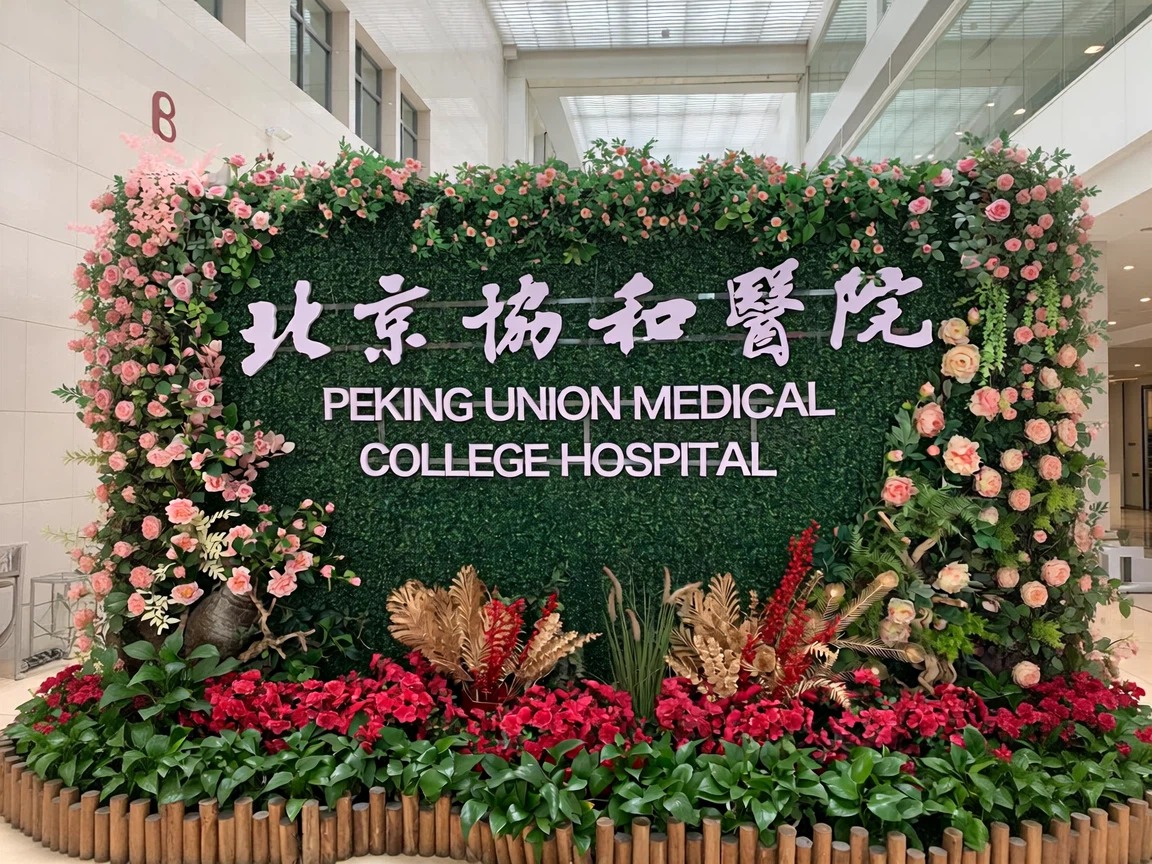
Department introduction
About Department of Cardiology
Clinical background, department strengths and services for international patients.Clinical focus
Conditions and services represented
Department specialists
Specialists in Department of Cardiology
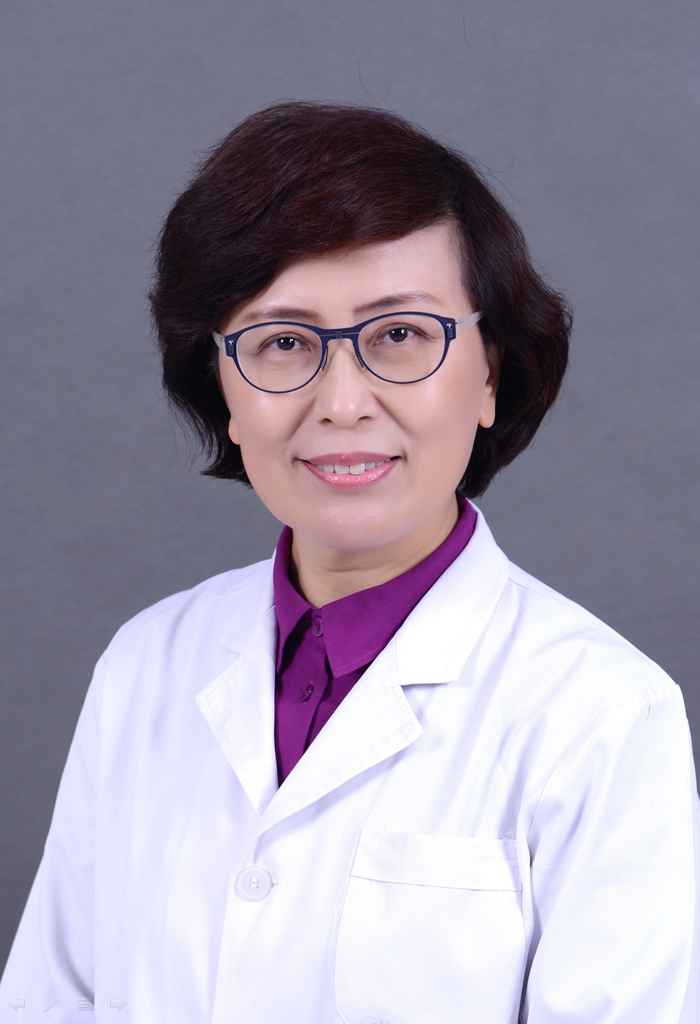
Zhang Shuyang
Chief PhysicianHypertension · Coronary Artery Disease · Diabetes Mellitus · Dyslipidemia · Metabolic Syndrome
Wang Mengzhao
Chief PhysicianRespiratory System Tumors
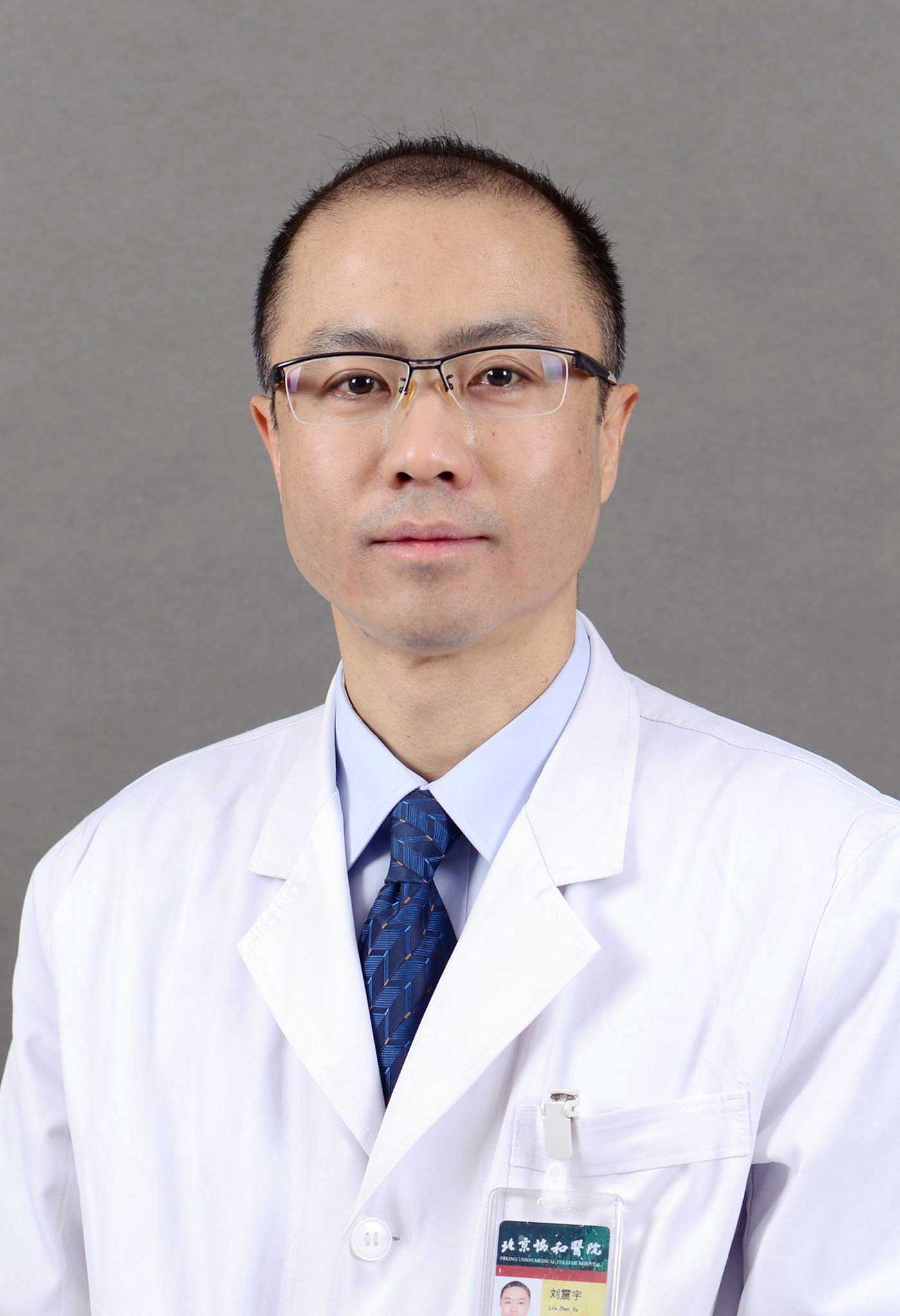
Liu Zhenyu
Chief PhysicianCoronary Artery Disease · Hypertension · Dyslipidemia
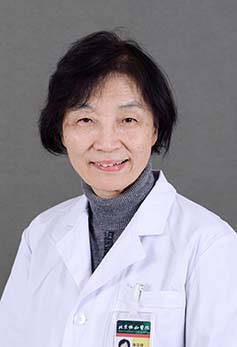
Zhu Wenling
Chief PhysicianCardiovascular Diseases
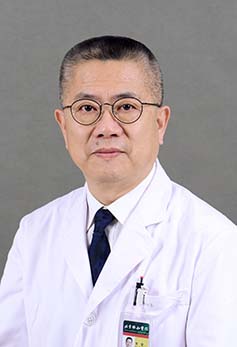
Fang Quan
Chief PhysicianArrhythmia and Pacemaker Therapy · Heart Failure · Complex Myocardial Diseases · Atrial Fibrillation Diagnosis and Treatment · Sudden Cardiac Death Prevention · Bradyarrhythmias
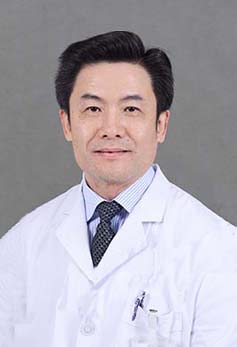
Yan Xiaowei
Chief PhysicianThromboembolic Diseases · Diagnosis and Treatment of Heart Failure · Prevention and Management of Cardiovascular Risk Factors · Anticoagulant and Antiplatelet Therapy · Atherosclerotic Cardiovascular and Cerebrovascular Diseases
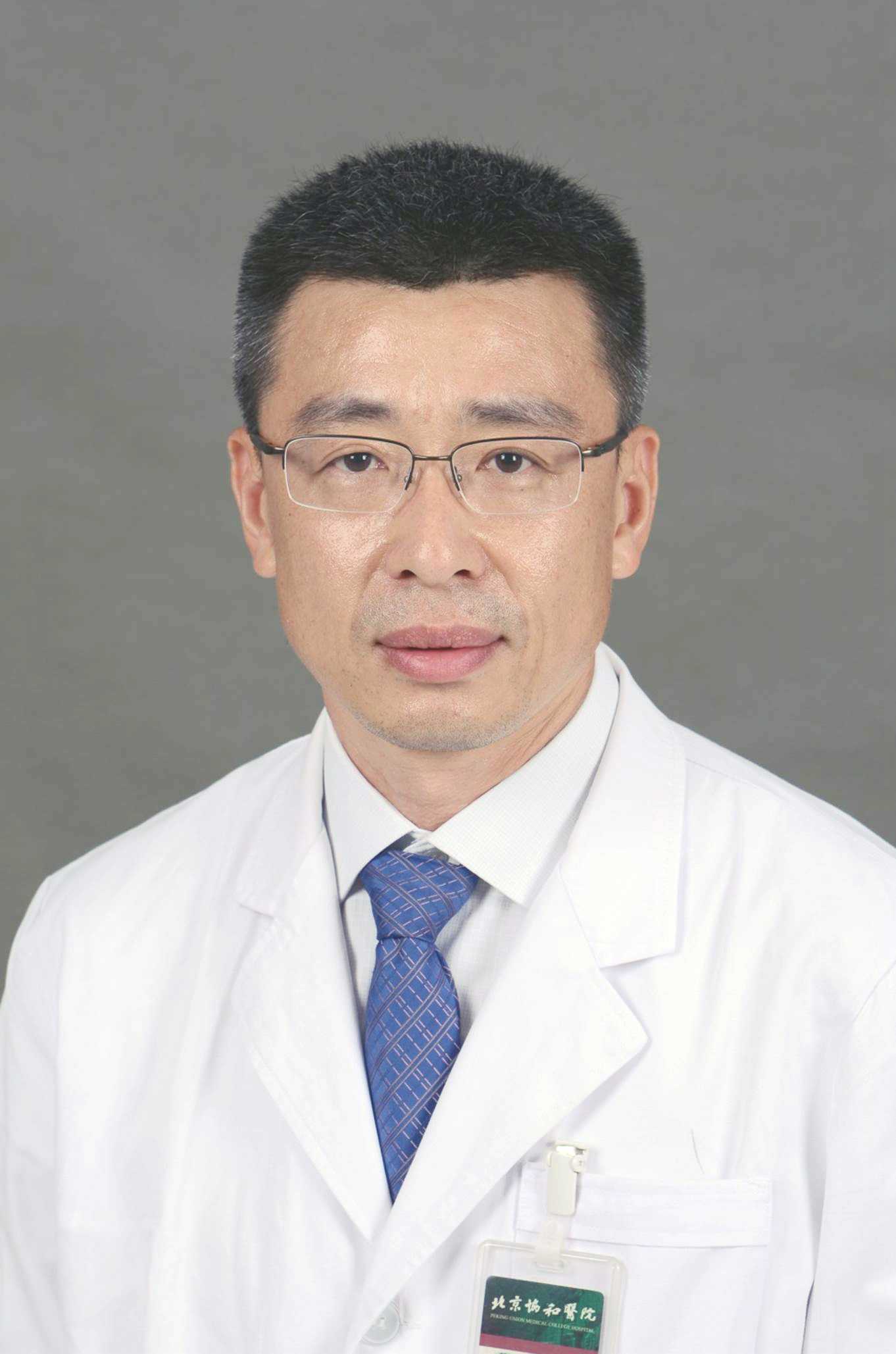
Xie Hongzhi
Chief Physician, Professor, Graduate SupervisorManagement of complex and challenging lesions in coronary intervention procedures · Diagnosis and pharmacological treatment of arrhythmias · Diagnosis and pharmacological treatment of hypertension · Diagnosis and pharmacological treatment of heart failure
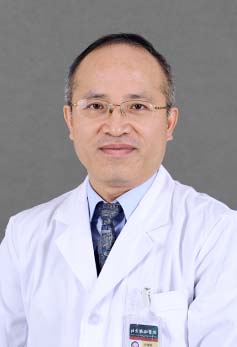
Fang Ligang
Chief Physician, Doctoral SupervisorHeart Failure · Cardiomyopathy · Coronary Artery Disease · Hypertension · Hyperlipidemia · Echocardiographic Diagnosis of Complex Adult Cardiovascular Diseases
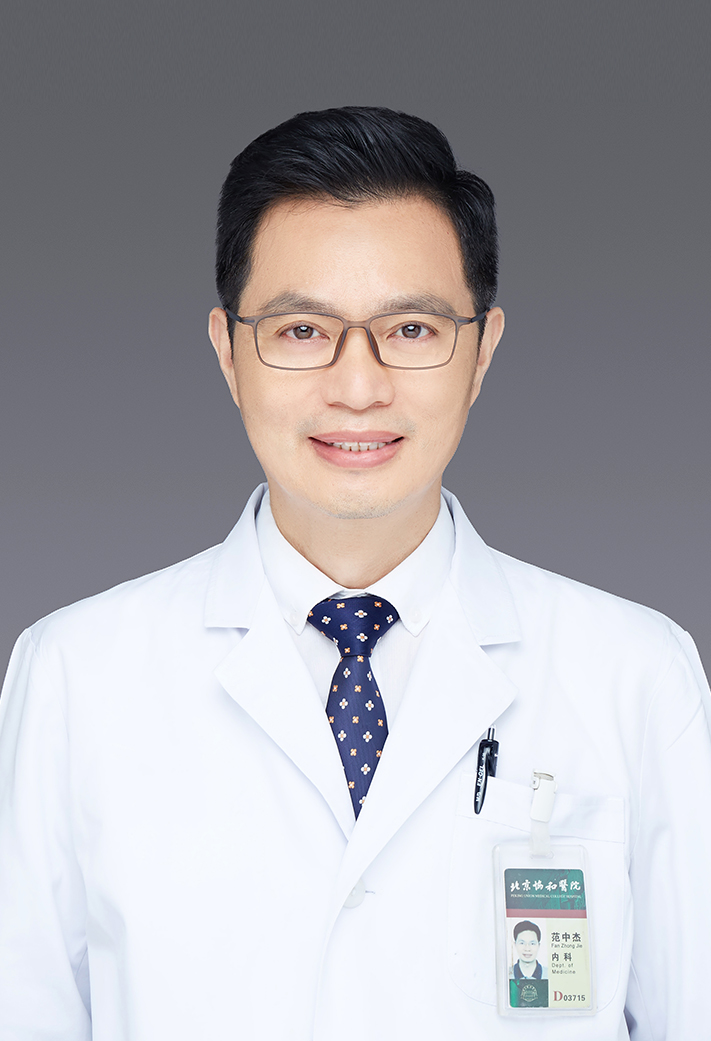
Fan Zhongjie
Chief PhysicianCoronary and Renal Artery Intervention · Coronary Artery Disease · Hypertension–Hyperlipidemia–Metabolic Syndrome · Heart Failure · Cardiac Rehabilitation · Atmospheric Environment and Health · Evidence-Based Medicine
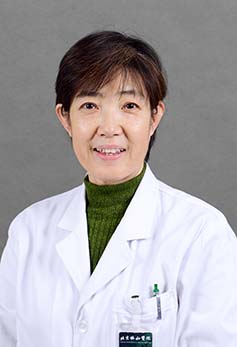
Yan Jianling
Associate Chief PhysicianDiagnosis, treatment, and comprehensive management of coronary heart disease · Hypertension · Hyperlipidemia · Arrhythmia · Heart failure · Complex and difficult cardiovascular diseases
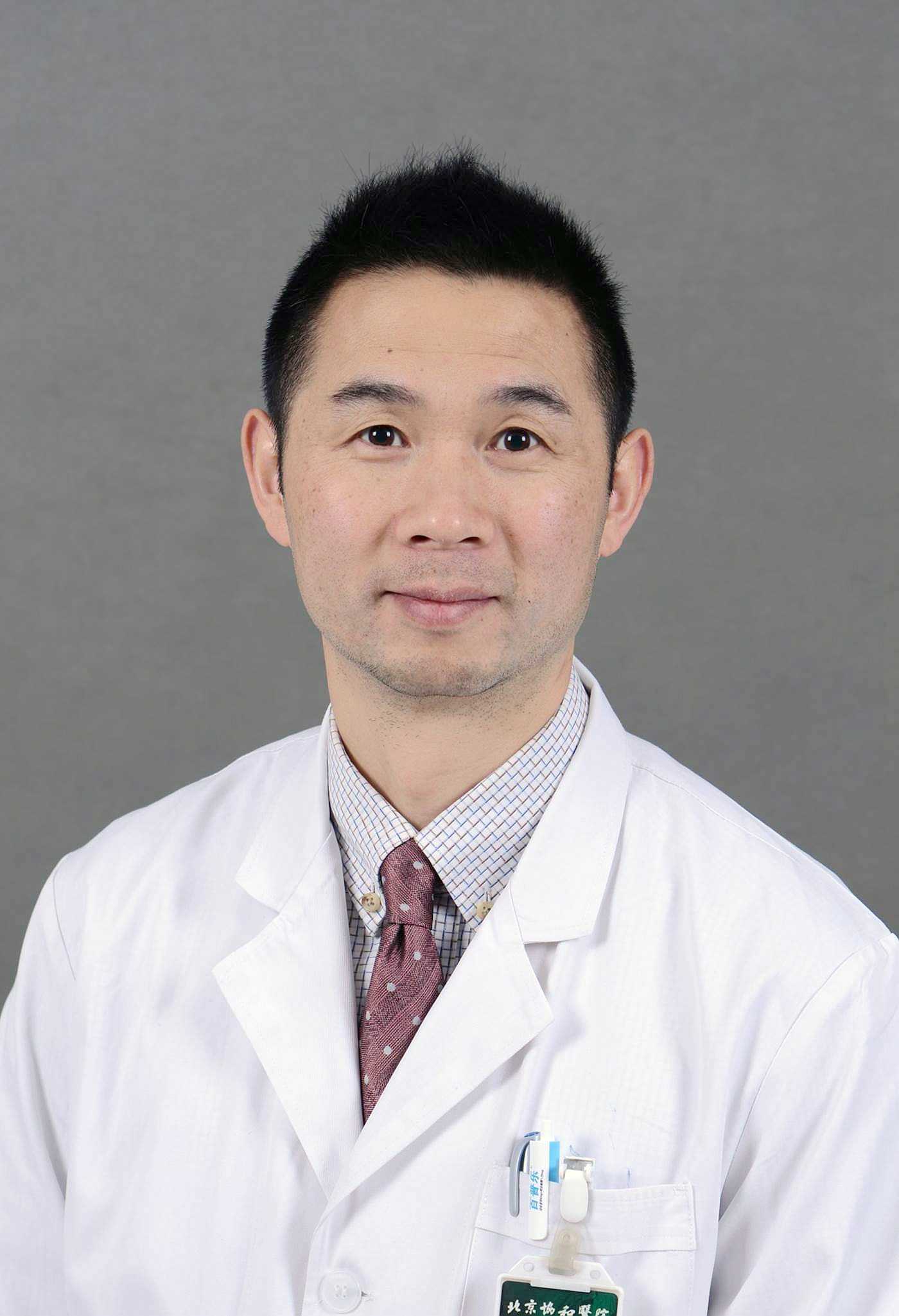
Cheng Kang'an
Chief PhysicianDiagnosis and Treatment of Arrhythmias · Catheter Ablation for Atrial Fibrillation · Implantation of Cardiac Pacemakers and ICD/CRT-D Devices · Left Atrial Appendage Occlusion · Endomyocardial Biopsy · Pulsed Field Ablation (PFA) for Atrial Fibrillation · Application of TEE-DSA Image Fusion Technology · Synchronized Therapy for Heart Failure
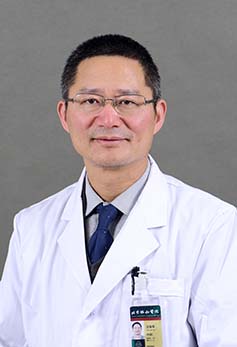
Zhu-Jun Shen
Chief Physician, Doctoral Supervisor, Executive Deputy Director of the Heart Medical CenterInterventional Therapy for Coronary Artery Disease · Diagnosis and Management of Hypertension · Diagnosis and Management of Hyperlipidemia · Comprehensive Management of Cardiovascular Diseases · Primary Prevention of Coronary Artery Disease
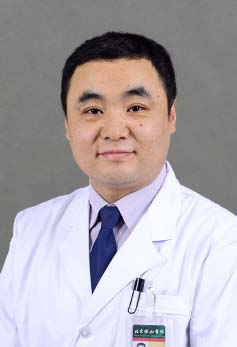
Liu Yongtai
Chief PhysicianDiagnosis and treatment of valvular heart disease · Evaluation for interventional therapy of mitral regurgitation · Diagnosis and treatment of arrhythmias such as atrial fibrillation · Diagnosis and treatment of heart failure and cardiomyopathy · Diagnosis and treatment of hypertension · Diagnosis and treatment of coronary artery disease
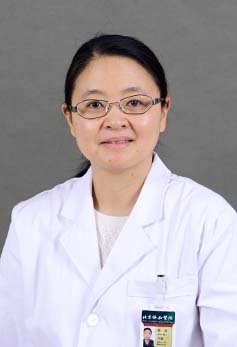
Chen Wei
Chief Physician, Doctoral SupervisorCardiology · Heart Failure · Cardiomyopathy · Immune-Mediated Heart Disease · Echocardiography
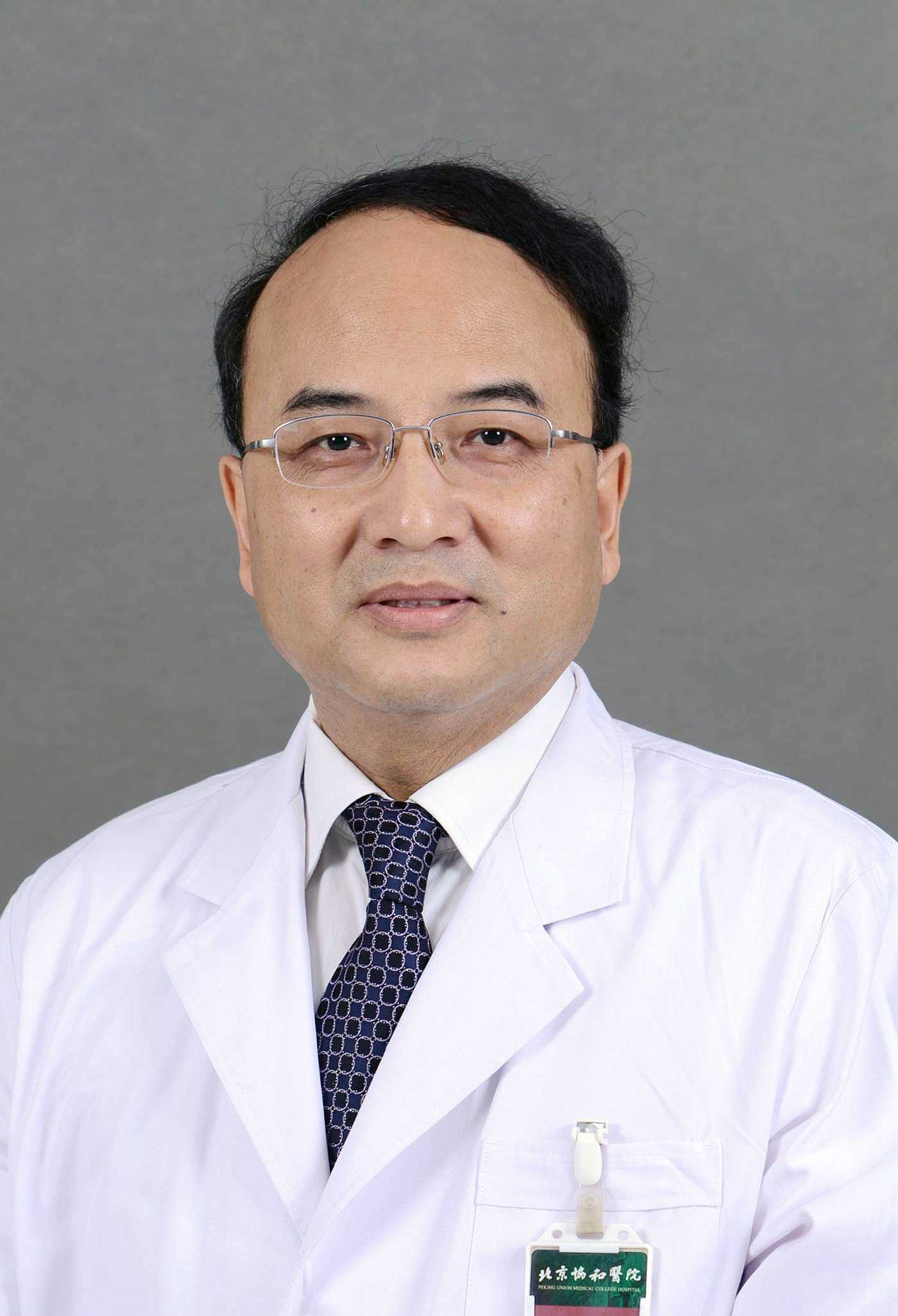
Wang Chonghui
Chief Physician, Graduate SupervisorInterventional Treatment of Coronary Artery Disease (including stent implantation) · Cardiac Pacemaker Implantation · Implantable Cardioverter Defibrillator (ICD) Implantation · Pacing Therapy for Bradycardia · Management of Malignant Ventricular Arrhythmias · Diagnosis and Treatment of Atrial Fibrillation, Premature Beats, and Tachycardia · Diagnosis and Treatment of Heart Failure (Cardiac Dysfunction) · Individualized Treatment of Refractory Hypertension · Individualized Treatment of Refractory Hyperlipidemia · Prevention and Treatment of Atherosclerosis
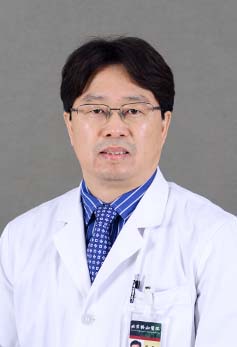
Deng Hua
Associate Chief PhysicianDiagnosis and Treatment of Arrhythmias · Transcatheter Radiofrequency Ablation · Interventional Treatment of Atrial Fibrillation
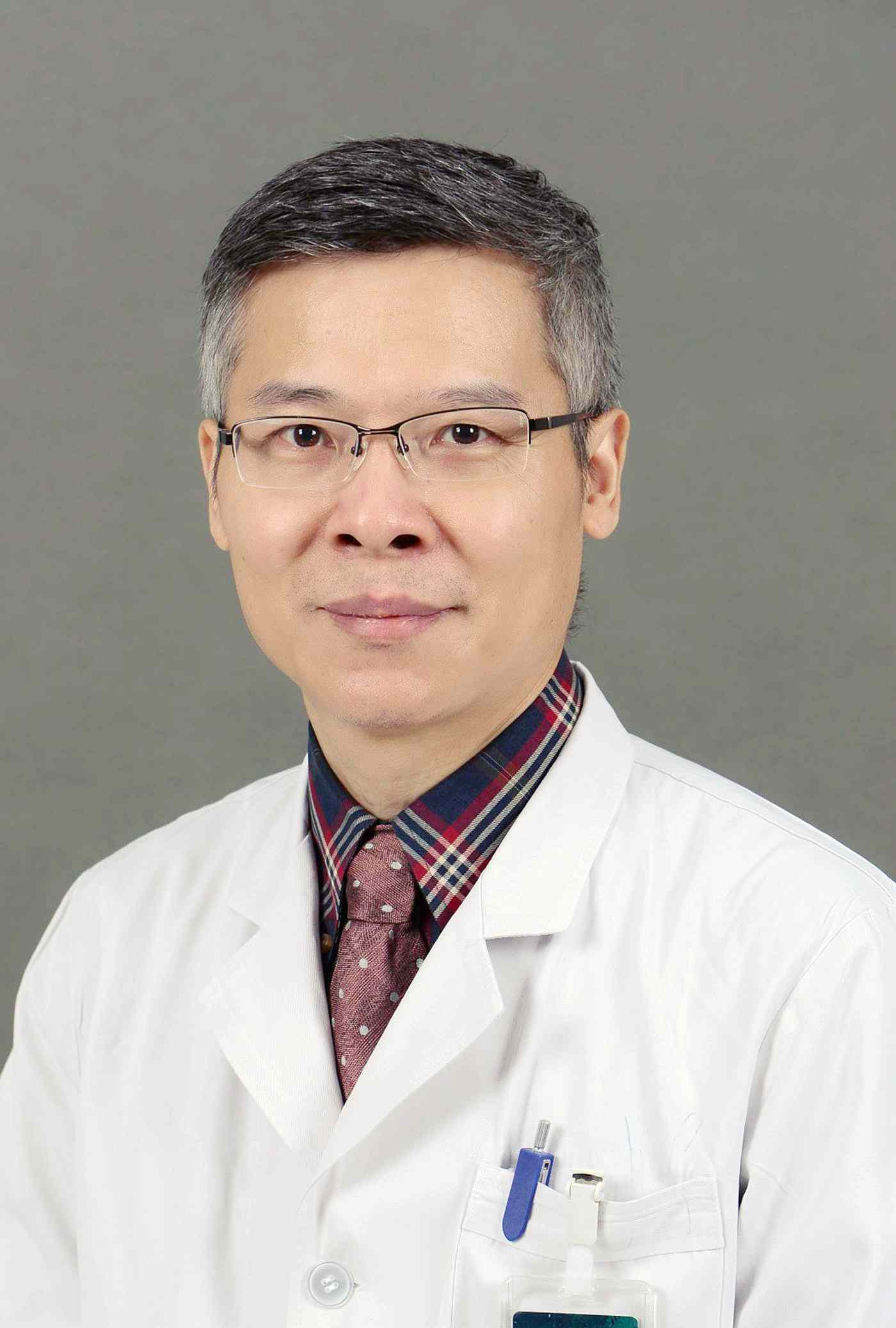
Chen Taibo
Chief PhysicianArrhythmia · Cardiac Pacing · Catheter Ablation · Implantable Cardioverter Defibrillator (ICD) Implantation · Cardiac Resynchronization Therapy (CRT) Device Implantation
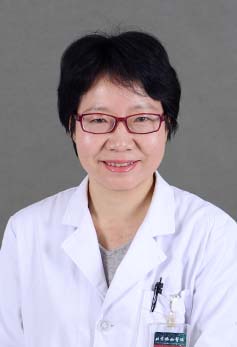
Lin Xue
Chief PhysicianCardiac Involvement in Systemic Diseases · Diagnosis, Treatment, and Research of Complex Cardiac Diseases
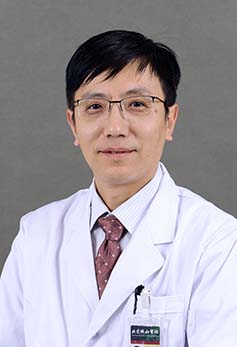
Gao Peng
Chief PhysicianPacing and Electrophysiology · Pharmacological and Catheter Ablation Therapy for Arrhythmias · Pacing Therapy for Bradycardia · Pharmacological and Device-Based Therapy for Heart Failure · Sudden Cardiac Death Prevention · Hypertension · Coronary Artery Disease · Heart Failure
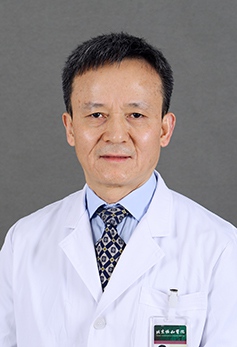
Ni Chao
Chief PhysicianHypertension · Coronary Artery Disease · Heart Failure · Dyslipidemia · Cardiovascular Disease with Anxiety Disorders · Cardiovascular Disease with Depressive Disorders
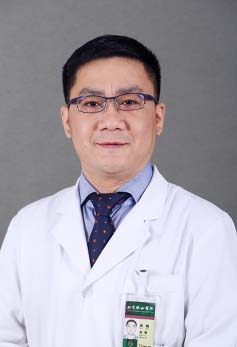
Wu Wei
Chief PhysicianCoronary Interventional Therapy · Transcatheter Aortic Valve Replacement (TAVR) · Interventional Therapy for Acute Myocardial Infarction · Interventional Therapy for Complex Coronary Lesions · Rare and Difficult Cardiovascular Diseases · Metabolic Cardiomyopathy · Myocarditis Associated with Cancer Immunotherapy · Familial Inherited Cardiomyopathy · Management of Cardiovascular Risk Factors Including Hypertension and Hyperlipidemia · Heart Failure
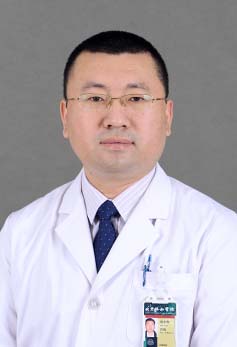
Cheng Zhongwei
Associate Chief PhysicianRadiofrequency ablation for tachyarrhythmias (atrial fibrillation, atrial tachycardia, atrial flutter, paroxysmal supraventricular tachycardia, premature ventricular contractions) · Pacemaker implantation (single-chamber, dual-chamber, and triple-chamber cardiac resynchronization therapy pacemakers) · Implantable cardioverter-defibrillator (ICD) implantation · Diagnosis and management of arrhythmias · Diagnosis and management of coronary artery disease · Diagnosis and management of heart failure · Diagnosis and management of cardiomyopathies
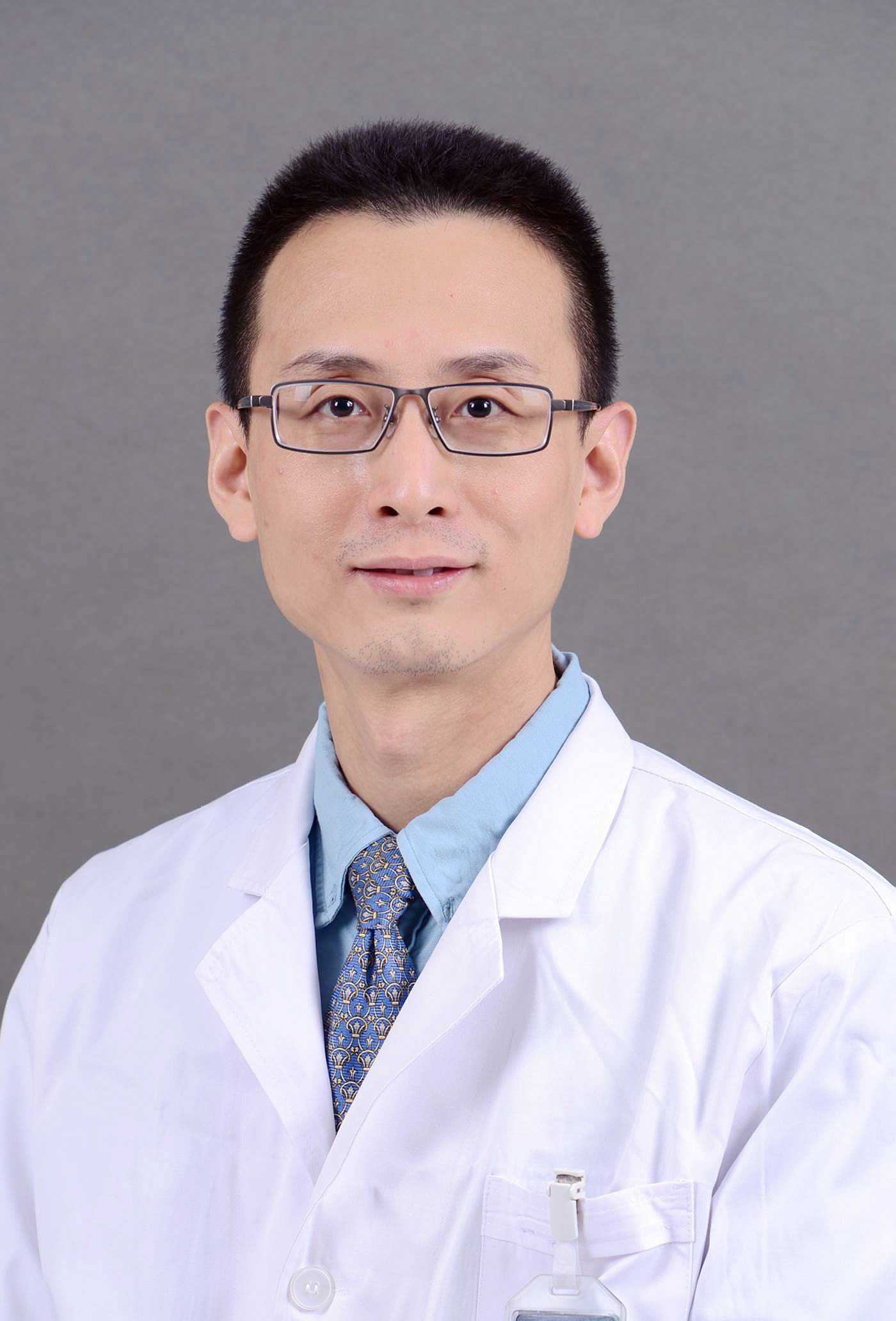
Tian Ran
Associate Chief PhysicianInterventional and comprehensive pharmacological treatment of coronary artery disease · Interventional treatment of complex coronary artery lesions (e.g., left main disease, chronic total occlusion [CTO] lesions) · Premature coronary artery disease · Coronary artery ectasia · Diagnosis and critical care for rare and refractory cardiovascular diseases
Related care pathway
Coronary Artery Disease
Starting-price comparison only.
Provider-confirmed estimate after the required information has been reviewed.
Verification notice: Services, specialist credentials, appointment availability and treatment suitability must be confirmed directly with the institution before booking or travel.