Peking Union Medical College Hospital (PUMCH) is a modern, comprehensive Grade A tertiary hospital integrating medical care, teaching, and scientific research. It is designated by the National Health Commission of the People’s Republic of China as the National Center for Diagnosis and Treatment Guidance for Difficult and Critical Illnesses. PUMCH was among the earliest hospitals entrusted with high-level cadre healthcare and foreign dignitary medical services. It serves as a national demonstration base for higher medical education and standardized residency training, and functions as a core national hub for clinical medical research and technological innovation. Renowned both domestically and internationally for its comprehensive disciplines, robust technical expertise, distinctive specialty departments, and strong multidisciplinary integrated advantages, PUMCH has ranked first for ten consecutive years on the "China Hospital Rankings" published by the Institute of Hospital Management, Fudan University. Founded in 1921 by the Rockefeller Foundation, the hospital was established with the vision of becoming "Asia’s premier medical center." Over its 99-year history, PUMCH has cultivated the “Concord Spirit” — characterized by rigor, excellence, diligence, and dedication — and developed an inclusive, eclectic institutional culture. It pioneered the modern medical education philosophy of the “Three Fundamentals” (basic theory, basic knowledge, basic skills) and the “Three Stricts” (strict requirements, strict training, strict assessment), and established the renowned “Three Treasures of Concord”: distinguished professors, exemplary medical records, and an outstanding library. PUMCH has nurtured generations of eminent medical masters, including Zhang Xiaoqian and Lin Qiaozhi, as well as numerous leading figures in modern Chinese medicine, and has contributed to the founding of more than ten prominent comprehensive and specialty hospitals nationwide. Building upon nearly a century of development experience, PUMCH innovatively articulated its institutional philosophy: “Treating patients as family members to enhance patient satisfaction; treating colleagues as family members to enhance staff well-being.” It distilled the centennial “Concord Essence” — academic excellence, quality assurance, and humanistic care — and fully implemented the spirit of the Fourth Plenary Session of the 19th Central Committee of the Communist Party of China, advancing the construction of six major systems: the medical service system, talent development system, scientific and technological innovation system, refined management system, open collaboration system, and Party-building and cultural system. Currently, the hospital operates four campuses, with a total building area exceeding 560,000 square meters. It employs over 4,000 staff members, including three academicians of the Chinese Academy of Sciences and the Chinese Academy of Engineering. The hospital comprises 57 clinical and medical technology departments, 20 national key disciplines, 29 national clinical key specialties, 22 doctoral programs, 29 master’s programs, six national continuing medical education bases, 19 national standardized residency training specialty bases, and eight national pilot bases for standardized specialist physician training. It maintains over 2,000 inpatient beds, performs approximately 53,852 surgical procedures annually, and discharges over 110,000 inpatients per year. PUMCH has been awarded honors including “National Civilized Unit,” “Advanced Collective of the National Health System,” “Advanced Party Organization of Central Government Agencies,” and “National Model Collective for Ethnic Unity and Progress.” Additionally, the hospital shoulders critical responsibilities in providing medical support to underdeveloped, ethnic minority, border, and impoverished regions, as well as serving as the primary medical team for major national events and emergency response. With unwavering professional commitment, noble medical ethics, exceptional clinical expertise, and rigorous scholarly conduct, the people of Concord have written a glorious chapter in medical history. Today, as PUMCH embarks on a new journey toward its centennial, it remains steadfast in its mission — “Putting the people at the center, and serving patients above all” — staying true to its original aspirations and forging ahead with determination toward the grand goal of building “a world-class hospital with Chinese characteristics.”
Peking Union Medical College Hospital
Peking Union Medical College Hospital (PUMCH) is a modern, comprehensive Grade A tertiary hospital integrating medical care, teaching, and scientific research. It is designated by the National Health Commission of the People’s Republic of China as the National Center for Diagnosis and Treatment Guidance for Difficult and Critical Illnesses. PUMCH was among the earliest hospitals entrusted with high-level cadre healthcare and foreign dignitary medical services. It serves as a national demonstration base for higher medical education and standardized residency training, and functions as a core national hub for clinical medical research and technological innovation. Renowned both domestically and internationally for its comprehensive disciplines, robust technical expertise, distinctive specialty departments, and strong multidisciplinary integrated advantages, PUMCH has ranked first for ten consecutive years on the "China Hospital Rankings" published by the Institute of Hospital Management, Fudan University. Founded in 1921 by the Rockefeller Foundation, the hospital was established with the vision of becoming "Asia’s premier medical center." Over its 99-year history, PUMCH has cultivated the “Concord Spirit” — characterized by rigor, excellence, diligence, and dedication — and developed an inclusive, eclectic institutional culture. It pioneered the modern medical education philosophy of the “Three Fundamentals” (basic theory, basic knowledge, basic skills) and the “Three Stricts” (strict requirements, strict training, strict assessment), and established the renowned “Three Treasures of Concord”: distinguished professors, exemplary medical records, and an outstanding library. PUMCH has nurtured generations of eminent medical masters, including Zhang Xiaoqian and Lin Qiaozhi, as well as numerous leading figures in modern Chinese medicine, and has contributed to the founding of more than ten prominent comprehensive and specialty hospitals nationwide. Building upon nearly a century of development experience, PUMCH innovatively articulated its institutional philosophy: “Treating patients as family members to enhance patient satisfaction; treating colleagues as family members to enhance staff well-being.” It distilled the centennial “Concord Essence” — academic excellence, quality assurance, and humanistic care — and fully implemented the spirit of the Fourth Plenary Session of the 19th Central Committee of the Communist Party of China, advancing the construction of six major systems: the medical service system, talent development system, scientific and technological innovation system, refined management system, open collaboration system, and Party-building and cultural system. Currently, the hospital operates four campuses, with a total building area exceeding 560,000 square meters. It employs over 4,000 staff members, including three academicians of the Chinese Academy of Sciences and the Chinese Academy of Engineering. The hospital comprises 57 clinical and medical technology departments, 20 national key disciplines, 29 national clinical key specialties, 22 doctoral programs, 29 master’s programs, six national continuing medical education bases, 19 national standardized residency training specialty bases, and eight national pilot bases for standardized specialist physician training. It maintains over 2,000 inpatient beds, performs approximately 53,852 surgical procedures annually, and discharges over 110,000 inpatients per year. PUMCH has been awarded honors including “National Civilized Unit,” “Advanced Collective of the National Health System,” “Advanced Party Organization of Central Government Agencies,” and “National Model Collective for Ethnic Unity and Progress.” Additionally, the hospital shoulders critical responsibilities in providing medical support to underdeveloped, ethnic minority, border, and impoverished regions, as well as serving as the primary medical team for major national events and emergency response. With unwavering professional commitment, noble medical ethics, exceptional clinical expertise, and rigorous scholarly conduct, the people of Concord have written a glorious chapter in medical history. Today, as PUMCH embarks on a new journey toward its centennial, it remains steadfast in its mission — “Putting the people at the center, and serving patients above all” — staying true to its original aspirations and forging ahead with determination toward the grand goal of building “a world-class hospital with Chinese characteristics.”
Read the full institution profile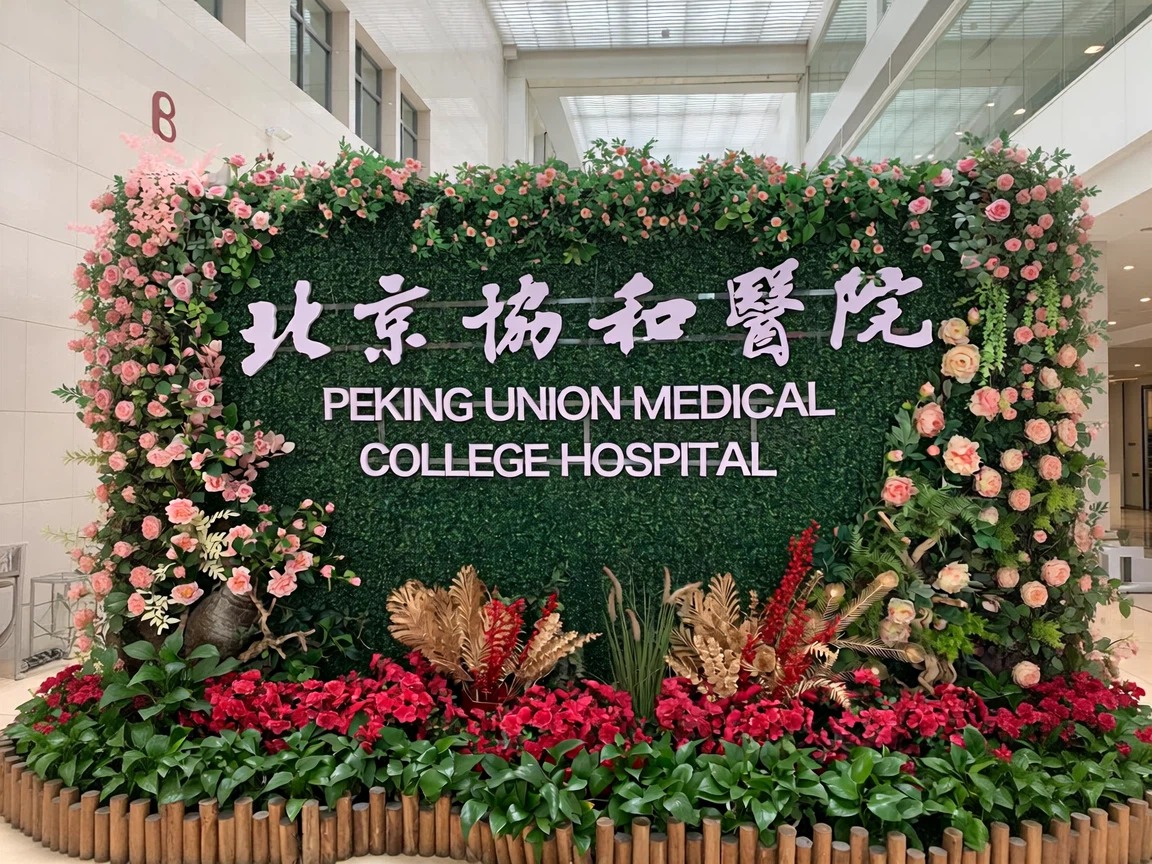
Institution overview
Profile for international patients
Background, clinical position and services for patients travelling to China.Departments
Departments and clinical centers
Browse 12 at a time. Open a department to see its clinical focus and published specialist team.
Department of Internal Medicine
Major Clinical DepartmentDepartment of Cardiology
Key Specialty DepartmentDepartment of Respiratory and Critical Care Medicine
Chronic Obstructive Pulmonary Disease (COPD) Group · Sleep-Disordered Breathing Group
Clinical diagnosis and treatment, medical education, scientific research, national specialty training, and consultation for complex and critical casesDepartment of Gastroenterology
Inflammatory Bowel Disease · Pancreatic Diseases
Specialist directory
Specialists by department
Filter the published institution team by department, then open a specialist profile.
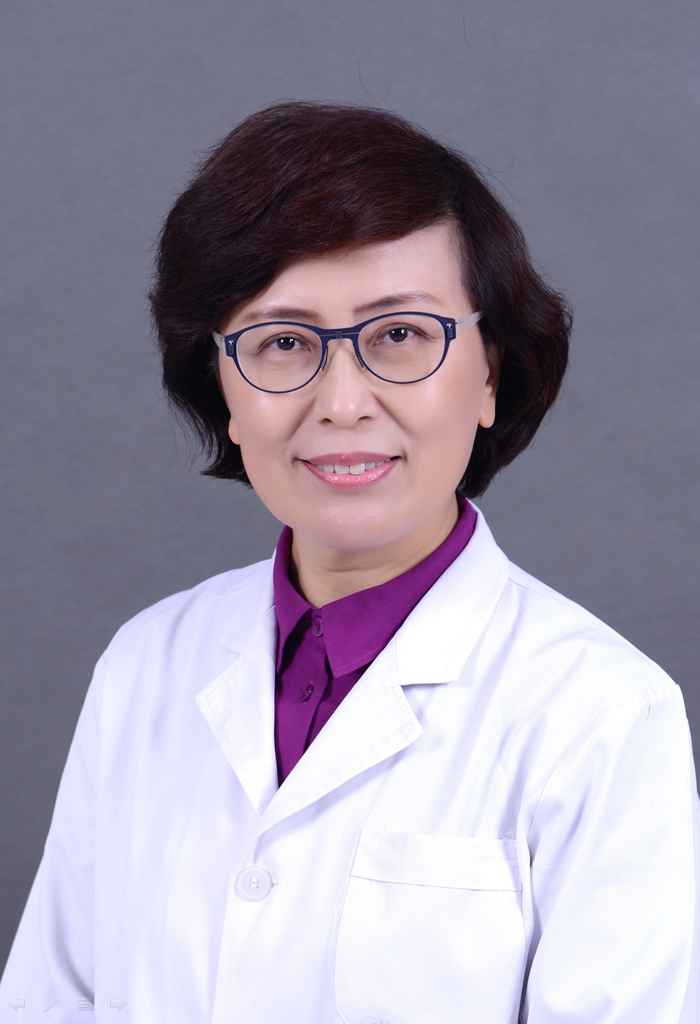
Zhang Shuyang
Chief PhysicianDepartment of Internal Medicine
Hypertension · Coronary Artery Disease
Wang Mengzhao
Chief PhysicianDepartment of Internal Medicine
Respiratory System Tumors
Li Xuemei
Chief PhysicianDepartment of Internal Medicine
Chronic Renal Failure · Kidney Diseases
Yang Aiming
Chief PhysicianDepartment of Internal Medicine
Esophageal and Gastric Varices · Gastric Cancer
Wu Dong
Chief PhysicianDepartment of Internal Medicine
Gastrointestinal Diseases
Liu Zhenyu
Chief PhysicianDepartment of Cardiology
Coronary Artery Disease · Hypertension
Zhu Wenling
Chief PhysicianDepartment of Cardiology
Cardiovascular Diseases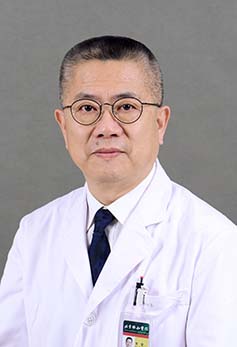
Fang Quan
Chief PhysicianDepartment of Cardiology
Arrhythmia and Pacemaker Therapy · Heart Failure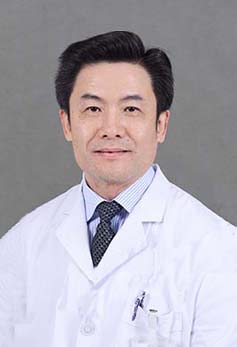
Yan Xiaowei
Chief PhysicianDepartment of Cardiology
Thromboembolic Diseases · Diagnosis and Treatment of Heart Failure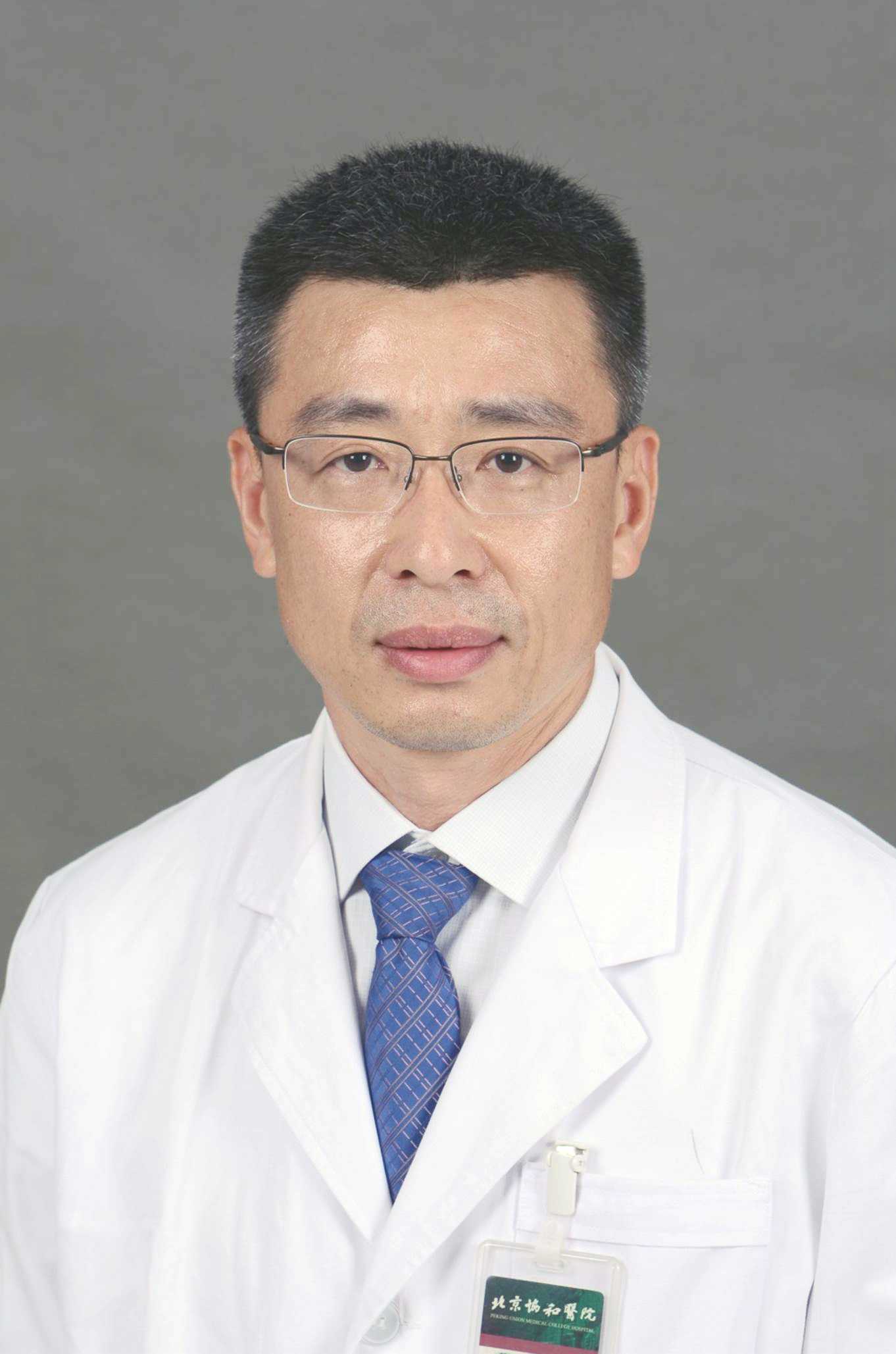
Xie Hongzhi
Chief Physician, Professor, Graduate SupervisorDepartment of Cardiology
Management of complex and challenging lesions in coronary intervention procedures · Diagnosis and pharmacological treatment of arrhythmias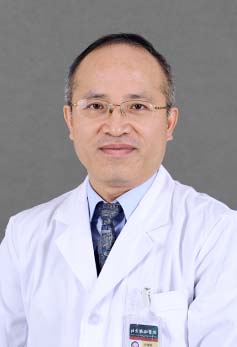
Fang Ligang
Chief Physician, Doctoral SupervisorDepartment of Cardiology
Heart Failure · Cardiomyopathy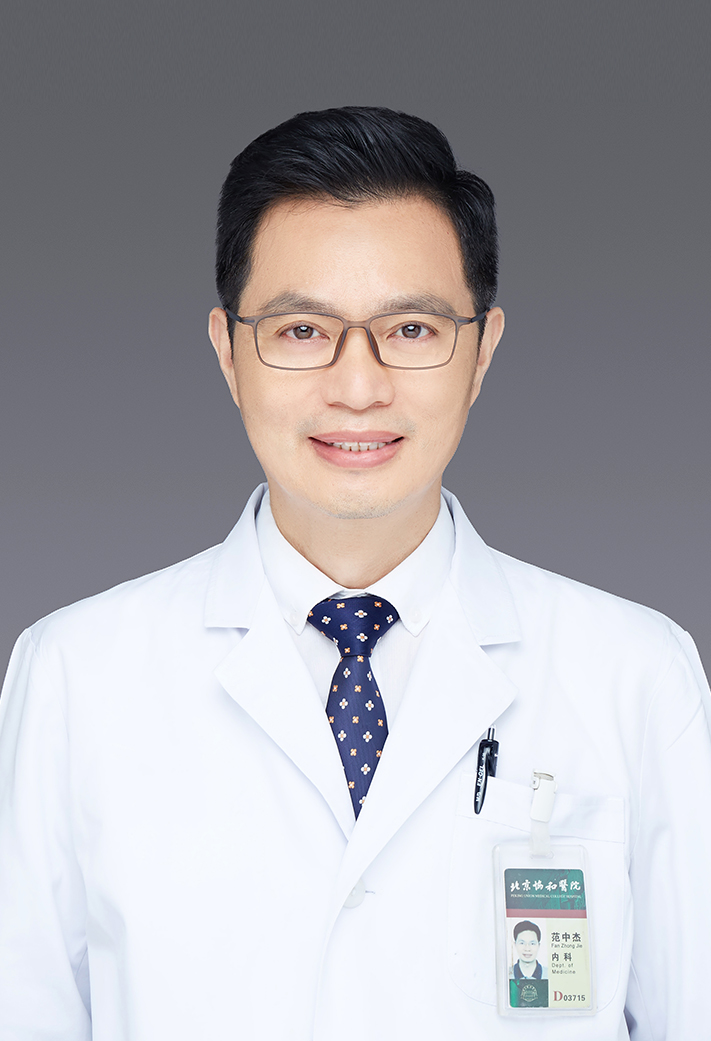
Fan Zhongjie
Chief PhysicianDepartment of Cardiology
Coronary and Renal Artery Intervention · Coronary Artery DiseaseAvailable medical projects
Projects published by this institution
Clinical suitability, appointment availability and the final treatment plan must be confirmed by the institution.
International services
Facilities and payment information
Location & transport
Getting to the institution
Paid recommendation service
Compare this institution with two alternatives.
The US$59 package includes cost, distance, reception-condition comparison and a provider-confirmed formal estimate.
Verification notice: Institution and medical information must be confirmed directly with the provider before booking or travel.